Arden
Can you run an Airbnb or do rental arbitrage here? What the city requires: permits, taxes, safety rules and enforcement.
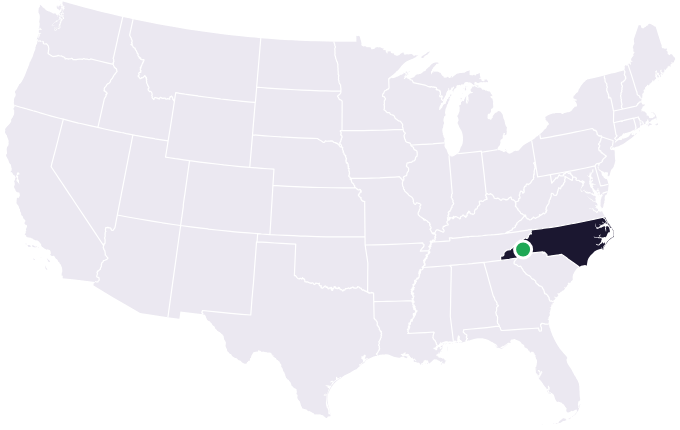
Green light: allowed by right in every county district except Airport, no county permit found
Arden isn't an incorporated town,[1] so Buncombe County's zoning code applies where the parcel is on the county zoning map.[2] The county's permitted use table allows vacation rentals by right in every district except Airport Industry,[3] and the code defines a vacation rental as up to two single-family homes and 9,000 square feet combined.[4] A 2024 plan to restrict new ones stalled, and a Sep 29, 2025 news report says no new rules had been adopted.[5]
Our verdict, based on the sources at the end of this guide.
Arden isn't an incorporated town, so Buncombe County's zoning code sets the rules.[1, 2] The county's use table allows vacation rentals by right in every district except Airport Industry, including R-LD, R-1, R-2 and R-3.[3] A vacation rental can be up to two single-family homes and 9,000 square feet combined,[4] and we found no county permit, cap or owner-occupancy rule. A 2024 plan to limit new rentals to certain districts stalled, and a Sep 29, 2025 news report says no new rules had been adopted.[5]
Key requirements
County zoning
County zoning applies only to the area on the county's official zoning map.[2] The county's short-term rental Q&A covers unincorporated areas only.[6] The county said its 2024 proposed rules would not affect the six municipalities in the county, so check that the parcel isn't inside one.[9]
Where it's allowed
The permitted use table marks vacation rentals as permitted in R-LD, R-1, R-2, R-3, NS, CS, EMP, PS, CR, BDM and OU, and leaves AI (Airport Industry) blank, which the table's key says means not permitted.[3] The county Q&A says the same: every zoning district except Airport.[6] Look up the parcel's district on the county zoning map before you lease.
What counts as a vacation rental
The code defines a vacation rental as no more than two single-family homes with no more than 9,000 square feet combined, rented for two days or more to tourists, vacationers or similar transients.[4] The county Q&A puts a short-term rental at 2 days to under 30 days.[6] The definition covers single-family homes, and we found no county definition for renting an apartment or condo unit.
Vacation rental complex
More than two adjacent rental units under common ownership, or homes totaling more than 9,000 square feet, make a vacation rental complex.[4] A complex can have no more than ten units, and a development of more than ten counts as a hotel or motel, except in the Open Use district, where it needs a special use permit.[4] The use table lists a complex as a special use in R-3, NS, CS, EMP, PS, CR, BDM and OU, and blank in R-LD, R-1, R-2 and AI.[3]
Permit and proposals
We found no county short-term rental permit, registration or fee in the code or the county Q&A.[3, 6] A 2024 proposal would add a zoning permit for existing rentals and limit new ones to certain districts.[6, 9] A Sep 29, 2025 news report says no new rules had been adopted and the committee's return was on hold.[5]
Operational and safety standards
State vacation rental law
North Carolina's Vacation Rental Act applies to a landlord or real estate broker who rents or manages residential property for vacation rental.[10] It defines that as a rental for fewer than 90 days to someone whose permanent home is elsewhere.[10]
Parking for complexes
The code's parking table sets off-street parking for a vacation rental complex or rooming house at 1 space per 2 guest rooms.[11] The 2024 proposal also listed development standards for parking, event size, waste management and addressing, which would matter if it returns.[6]
Tax obligations
Sales tax
North Carolina taxes the gross receipts from renting an accommodation at the general state rate plus applicable local and transit rates, and any local occupancy tax.[12] The state's rate table lists 7% for Buncombe County.[7]
County occupancy tax
Buncombe County levies an Occupancy Tax of 6% on gross receipts from renting any room, lodging or accommodation furnished by a hotel, motel, inn or similar place within the county.[8] The county says it also applies to rooms or houses rented through websites such as Airbnb and VRBO.[8]
Total rate
Adding the 7% sales tax and the 6% occupancy tax, we get 13% for a property in the county.[7, 8]
Registering and filing
A new establishment completes the county's Remitter Information Form, and payments and gross receipts information are due by the 20th of the month after the tax accrues.[8]
Who collects state tax
The retailer who collects the payment for the rental owes the state tax, and that can be the accommodation provider or an accommodation facilitator.[13]
Stays of 90 or more days
An accommodation supplied to the same person for 90 or more continuous days is exempt from the state tax.[13] The county occupancy tax page has the same 90 consecutive day exemption.[8]
Enforcement
Notice and appeal
A notice of violation comes first, served by certified or registered mail, in person or by posting it on the property.[14] An owner or occupant who gets one can appeal the zoning administrator's decision.[14]
Daily penalty
The county may assess a $100 per day civil penalty for each day the property is in violation.[14] The penalty is waived if the zoning administrator finds you fixed the violation within 30 days of receiving the notice.[14]
Collection
If a penalty goes unpaid, the county may file a civil action for the debt or refer it to the state debt setoff program.[14] The zoning administrator may reduce a penalty if you acted in good faith and cooperated.[14]
Separate offenses
Each failure to comply with the zoning article counts as a separate violation and a separate offense.[14]
Bottom line for arbitrage
You can run one here today, but confirm the parcel, your HOA and the 6% county occupancy tax before you sign.
Step 1 is the hard part. We find landlords who already said yes →
Sources
Tell us your market. Our team calls landlords and sends you properties already approved for Airbnb.
- Landlord-approved listings
- New deals weekly
- Search any US market
More guides in this state
Browse all city guides →Rules tell you where. We find the landlord who says yes.
STR Exchange members get landlord-approved rentals, new deals every week and a team that searches their market.
- Landlord-approved listings
- New deals weekly
- Many markets