Flagstaff
Can you run an Airbnb or do rental arbitrage here? What the city requires: permits, taxes, safety rules and enforcement.
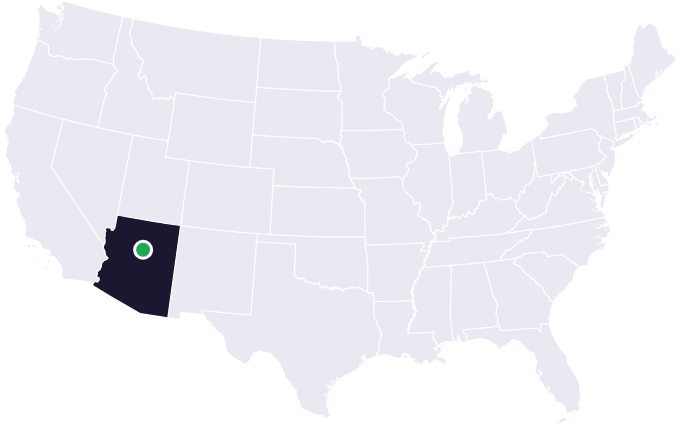
Green light: allowed with a $250 city license and no cap
Arizona law bars Flagstaff from banning short-term rentals, or regulating them by use or occupancy,[1] and the city code sets no cap on licenses.[2] But every unit needs its own $250 city license,[2, 3] and the owner must live on site if the home has an ADU with a certificate of occupancy issued on or after Sept 14, 2024.[1, 2]
Our verdict, based on the sources at the end of this guide.
Arizona law bars Flagstaff from banning short-term rentals or regulating them by use or occupancy,[1] and the city code sets no cap on how many licenses it issues.[2] Each rental unit needs its own $250 annual license, which the owner applies for,[2, 4] plus a state TPT license.[6] If the property has an ADU with a certificate of occupancy issued on or after Sept 14, 2024, the owner must live there.[2] Most of the city's 2026 changes, including insurance and guest background checks, apply at your next renewal.[3]
Key requirements
State TPT license
Get a transaction privilege tax (TPT) license from the Arizona Department of Revenue before you rent.[6, 7] The city license application asks for your TPT license number,[2] and the state says you can't offer a rental without one.[6]
City license
Get an annual license for each short-term rental before you rent or offer it. It costs $250, is non-refundable, lasts one year and can't be transferred, and state law sets seven business days for the city to issue or deny it.[1, 2, 4] Ordinance 2026-11, effective July 1, 2026, raised the fee and added rules that mostly apply at your next renewal.[3, 8, 9]
Who applies
The owner applies for the license and can name a designee who has charge of the property.[2] The application asks for the owner's, designee's and emergency contact's details, your TPT license number, a compliance statement, a background statement, a neighbor notification plan and proof of lawful US presence.[2] The code defines an owner as a person with "title or interest in a property" and says nothing more about tenants, so ask the city before a tenant applies.[2]
ADU owner rule
If the property has an accessory dwelling unit (ADU) and the city issued its certificate of occupancy on or after Sept 14, 2024, the owner must live on the property as their primary residence.[2, 3] State law has no such requirement for a certificate issued on or before Sept 13, 2024.[1]
Prohibited uses
A rental can't be used for non-residential purposes, special events that need a permit or the other uses the code lists, such as sober living homes and adult businesses.[2] Rentals must be approved structures, and converting a garage or workshop needs building permits before work starts.[9] If the property is in an HOA, its rules apply and the city doesn't enforce them.[7]
Operational and safety standards
Listing and posting
Show your city license number on every advertisement.[2] Post a notice inside the rental within 10 feet of the primary entrance with your emergency contact, license number and the city's rules.[2] Licenses issued on or after July 1, 2026 get the updated notice automatically.[3]
Neighbor notice
Before you first offer the rental, notify every single-family home next to, directly across from and diagonally across the street, or the residents on your floor in a multifamily building.[2] The notice lists your license number, the address and your emergency contact's name, address, email and 24-hour phone number.[2] Notify them again within 10 days if the contact changes, and keep an attestation that you did, which you give the city on request.[2]
Emergency contact
Name an emergency point of contact and keep their details current in your city account.[2] For an emergency that police request, they must respond within 60 minutes of the request.[2]
Insurance and guest checks
Carry at least $500,000 in liability insurance, unless the booking platform provides equal or greater coverage.[2] Check the US Department of Justice national sex offender website at least 24 hours before every stay and keep the record for 12 months.[2] A platform's check satisfies this, but you stay liable if the platform fails to run it.[2]
Safety and fire rules
Install smoke alarms with battery backup in each sleeping room, outside sleeping areas and on every story, plus carbon monoxide detectors if there's a fuel-burning appliance, fireplace or attached garage.[2] Keep a fire extinguisher rated at least 2-A:10-B:C with annual service, and keep two clear exit paths.[2] During Stage 2 or higher fire restrictions, remove, disable or lock fire pits and open-flame grills.[2]
Tax obligations
State and county tax
Short-term rentals of under 30 days are taxed as transient lodging, reported under business code 025 for the state and county.[10] The state's October 2026 rate table lists 6.90% for transient lodging in Coconino County, which combines the 5.6% state rate and the county excise tax.[5]
City tax
The state says city tax on short-term rentals is reported under the hotels code, 044,[10] and the city says rentals pay sales and transient occupancy (BBB) tax at the same rates as hotels.[9] The state's table lists 4.486% for hotels in Flagstaff, which makes 11.386% in total with the county line.[5]
Booking platforms
Booking sites must register with the state and pay tax on bookings made through them.[6] You still need your own TPT license, and if you book only through a platform you must file a return that shows those receipts with a deduction.[6] Direct bookings aren't deducted, and you owe that tax yourself.[10]
Returns and ads
File a $0 TPT return for any period you don't rent.[10] Your TPT license number must also appear on your advertising.[10]
Stays of 30 days or more
The state separates short-term rentals of under 30 days from renting real property for more than 29 days for residential purposes.[10] Flagstaff's code covers transient stays of fewer than 30 consecutive days.[2]
Enforcement
No license
It's unlawful to rent or offer to rent a short-term rental without a valid license.[2] If you don't apply within 30 days after written notice, the city can impose a $1,000 civil penalty per month.[2, 4] An online listing that offers the unit as transient lodging counts as evidence that you're operating.[2]
Fines for violations
The city's fines for verified violations in a 12-month period are $500 for the first, $1,000 for the second and $3,500 for the third and later ones.[2] State law words these as up to those amounts or one, two or three nights' rent, whichever is greater.[1] Violations from the same incident count as one.[2]
Suspensions
The city can suspend a license for up to 12 months after three verified violations in 12 months, or after one serious violation such as a felony at the property or knowingly allowing a special event or commercial use.[2] Minor aesthetic, waste and parking violations don't count.[2] You can appeal a suspension to the City Manager within 10 calendar days, but the appeal doesn't stay it.[2]
Notices and hearings
A notice of violation gives you 10 calendar days to ask for a hearing, and you waive your right to challenge it if you don't.[2] A hearing officer appointed by the City Manager holds the hearing within 30 days or as soon as practicable.[2] Each day can be a separate offense, and you stay liable if your designee doesn't comply.[2]
Complaints and contact details
The city says it removed its complaint hotline.[3] Neighbors can use the city's online complaint form or call code compliance at 928-213-2104.[7] Failing to keep your emergency contact information current costs $1,000 per 30 days, after 30 days' written notice.[2]
Bottom line for arbitrage
You can scale here. Budget $250 a license on every unit, and check for a newer ADU first.
Step 1 is the hard part. We find landlords who already said yes →
Sources
Tell us your market. Our team calls landlords and sends you properties already approved for Airbnb.
- Landlord-approved listings
- New deals weekly
- Search any US market
More guides in this state
Browse all city guides →Rules tell you where. We find the landlord who says yes.
STR Exchange members get landlord-approved rentals, new deals every week and a team that searches their market.
- Landlord-approved listings
- New deals weekly
- Many markets