Manor
Can you run an Airbnb or do rental arbitrage here? What the city requires: permits, taxes, safety rules and enforcement.
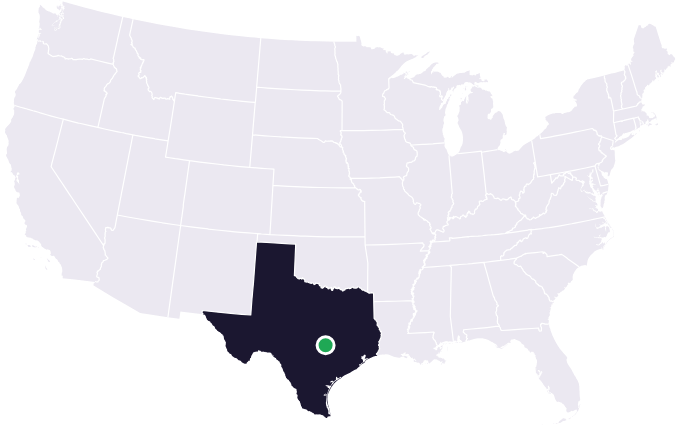
Green light: allowed with a city permit and the owner's OK
Manor requires a city permit for every short-term rental, and an operator can apply with the owner's written verification.[1] The permit section lists no cap and no zoning limit, and renewal is $50.[1] State and city hotel taxes add up to 13%.[2, 3]
Our verdict, based on the sources at the end of this guide.
Manor requires a city permit for any house, condo or residential unit rented for less than 30 days, whether you book through Airbnb, VRBO or another platform.[6] The rule came from Ordinance No. 799, passed Sep 3, 2025.[1] An operator can apply if the owner verifies in writing that the operator may run the rental.[1] The permit renews for $50, and you must notify neighbors within 200 feet after it's issued.[1]
Key requirements
Jurisdiction check
Manor's permit rule sits in its hotel occupancy tax article.[1] That article's tax reaches hotels inside the city and its extraterritorial jurisdiction (ETJ).[3] If your address is outside city limits, ask the city which rules apply.
City permit
It's unlawful to own or operate a short-term rental without a valid city permit.[1] A permit lasts one year, can't be transferred and ends if ownership changes.[1] The city manager or a designee issues it once the application is complete and all taxes and fees are current.[1]
Who can apply
An owner or an operator can apply.[1] An operator must include the owner's written verification that the operator may run the premises as a short-term rental.[1] If the owner or operator isn't an individual, name a natural person with legal authority to act for it.[1]
Application and fee
Use the city's application form and pay a non-refundable fee set by the city council.[1] Neither the code nor the city's permit page states the first-year amount, so ask the city.[1, 6] Renewal is $50, and you must apply at least 30 days before the permit expires.[1]
Neighbor notice
No later than 10 days after the permit is issued, notify neighbors within 200 feet by mail, email or hand delivery.[1] The notice must include the permit number, the owner's and operator's names and the local contact person's name and contact information. It must also give a city website address where the information is posted.[1]
Operational and safety standards
Local contact
Name a local contact person who is available 24 hours a day, seven days a week to respond promptly to complaints and take action to resolve them.[5] The application needs that person's name, address, email and 24-hour phone number.[1]
Permit display and ads
Display the permit, including the city's permit number, conspicuously inside the entrance.[1] Put the permit number in all marketing materials, including online ads.[1] Post the occupancy limit at the entrance.[1]
Safety equipment
Provide working smoke and carbon monoxide detectors with alarms, and at least one working Type A fire extinguisher inspected within the last calendar year.[1] Each bedroom needs a working window for emergency exit in a fire.[1]
Guest information
Give occupants the local contact's information, the city's contact information, website and emergency numbers, and a summary of applicable local regulations.[1] Add a parking plan and a floor plan that shows bedrooms, living spaces and evacuation routes.[1]
Platforms and changes
List every platform that advertises or takes reservations for the rental during the 12 months after you apply.[1] Report any change to your application information to the city within 10 days.[1]
Tax obligations
Manor hotel tax
Manor's code levies a 7% tax on the price of a hotel sleeping room that costs $2.00 or more a day.[3] A short-term rental permit is valid only while the owner or operator has paid, and stays current on, all hotel occupancy taxes.[1] City reports and payments are due by the last day of the month after each quarter.[7]
State hotel tax
The Texas hotel occupancy tax is 6%, and it covers houses, condos and apartments, not just hotels.[2] For this tax, a short-term rental is a residential property rented for 29 days or less.[8] The Comptroller says local hotel taxes apply to short-term room rentals such as Airbnb where a city levies one.[4]
Booking platforms
If your platform has a collection agreement with the state, it files and remits the state tax.[8] You still need to contact local jurisdictions about local taxes.[8] If you use a platform without an agreement, or your own website, you collect and remit the state tax yourself.[8]
Other local taxes
Counties and cities can add local hotel taxes, and the combined state, county, city and venue rates can't exceed 17%.[4] A county can levy one only after the legislature adds it to the law.[4] We found no Travis County short-term rental rule on the county's permitting center page as of Oct 6, 2026.[9]
30-day stays
Manor's city tax doesn't apply to a permanent resident of the room.[3] The Comptroller says a hotel is liable for the state tax if a guest who gave written notice as a permanent resident fails to stay 30 consecutive days.[8]
Enforcement
No permit
Operating without a valid permit is unlawful.[1] The permit section says violations are subject to the penalties in the hotel tax article, on top of any other criminal or civil remedies.[1] That article's fine follows the code's general penalty: up to $500, or up to $2,000 for fire safety, zoning or public health rules.[10, 11]
Denial
The city can deny a permit for false information, overdue taxes or fees, missing information, pending complaints, or repeated substantiated violations of city code or state law in the 24 months before you apply.[1]
Revocation
The city can revoke a permit for breaking the code or other law, false information, not reporting changes, or unpaid hotel occupancy tax or fees.[1] It must send written notice first, and you have 10 days after delivery to comply.[1] A revoked permit can be reinstated if you fix the problem and pay a $50 reinstatement fee.[1]
Appeals
A denial or revocation is final unless you file a written appeal with the city manager within 10 calendar days of getting the notice.[1] The city manager must hear the appeal within 30 days.[1]
Tax crimes
A person required to collect the hotel tax or file a report who fails to collect it, file the report or pay the tax is guilty of a misdemeanor.[11] Each failure is a separate offense.[11]
Bottom line for arbitrage
You can scale here. Get the owner's written OK in your lease and ask the city for the first-year fee before you sign.
Step 1 is the hard part. We find landlords who already said yes →
Sources
Tell us your market. Our team calls landlords and sends you properties already approved for Airbnb.
- Landlord-approved listings
- New deals weekly
- Search any US market
More guides in this state
Browse all city guides →Rules tell you where. We find the landlord who says yes.
STR Exchange members get landlord-approved rentals, new deals every week and a team that searches their market.
- Landlord-approved listings
- New deals weekly
- Many markets