Sedona
Can you run an Airbnb or do rental arbitrage here? What the city requires: permits, taxes, safety rules and enforcement.
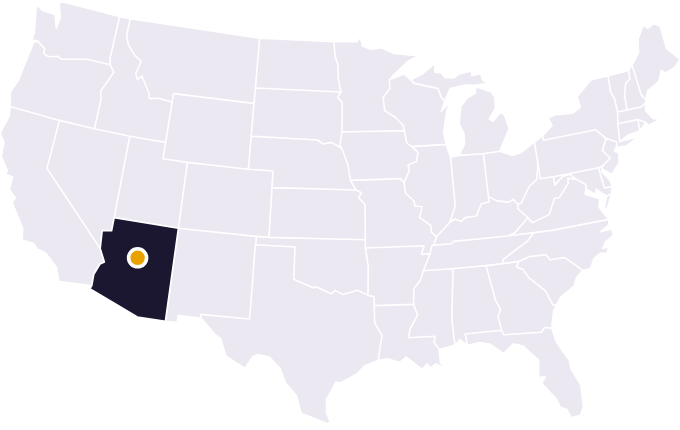
Yellow light: allowed with a permit and a willing landlord
Arizona cities can't cap how many short-term rentals operate,[1] so you can scale here. But every unit needs its own $210 city permit and events are banned.[2] The city also runs a 24/7 complaint hotline.[3]
Our verdict, based on the sources at the end of this guide.
More than 18% of Sedona's housing has been converted into short-term rentals, the city says.[4] Arizona law bars cities from banning short-term rentals,[5] and no Arizona city can cap how many operate.[1] Instead, Sedona requires a permit for every rental unit[2] and runs a 24/7 hotline for neighbor complaints.[3] The city also offered owners up to $10,000 a year to lease to local workers instead, through a “Rent Local” program that is now on hold.[4]
Key requirements
State TPT license
Get a transaction privilege tax (TPT) license from the Arizona Department of Revenue.[2] You can't rent a unit without one.[6]
City permit
Get an annual city permit for $210 per rental unit. The fee can't be refunded or transferred, and the permit number must appear on every ad and listing.[2]
Per-unit rule
Each short-term rental unit needs its own city permit.[2] Guest houses, casitas and mother-in-law quarters can be short-term rentals too.[1]
Neighbor notice
Before you start renting, notify every single-family home next to, directly across from and diagonally across the street from the rental.[2, 5] Use certified mail with a return receipt, or hand delivery, and include the rental address, your city permit number and the emergency contact's name, address, email and 24-hour phone number.[2]
Operational and safety standards
Special event ban
Sedona doesn't allow special events of any size, including weddings, wedding receptions, retreats, workshops and conferences. You must say so in your listings and tell your guests.[2]
Background checks
Run a sex offender background check at least 24 hours before each guest checks in, and keep a copy for at least 12 months.[2] State law waives this if the booking platform runs the check.[5]
Insurance
Carry at least $500,000 in liability insurance for each rental unit.[2]
Signage
Post a laminated or shielded notice in 14-point or larger bold type within 10 feet of the main entrance. It must show where the fire and life safety equipment is and state the city's noise and waste rules.[2]
Tax obligations
County split
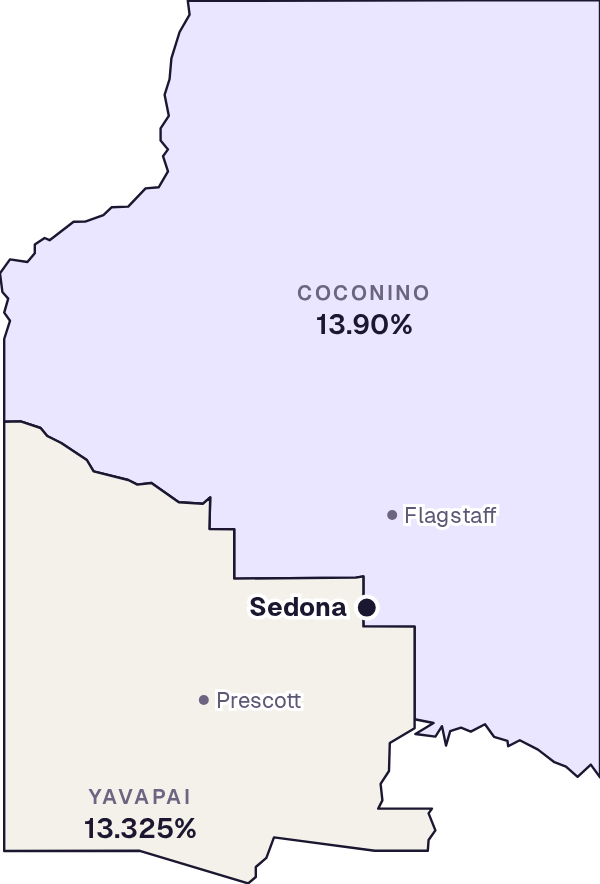
Sedona's tax rate depends on which county the property is in.[1]
Yavapai County: 13.325% total: 6.325% plus a 3.5% bed tax and a 3.5% hotel tax to the City of Sedona.[1]
Coconino County: 13.90% total: 6.9% plus a 3.5% bed tax and a 3.5% hotel tax to the City of Sedona.[1]
Booking platforms
Booking sites like Airbnb must register with the state and pay tax on the bookings made through them. You still need your own TPT license, and you must file a return even if you only book through a platform.[6]
Enforcement
Event violations
Hosting events can bring citations and penalties, up to losing your permit for one year.[2]
Suspensions
The city can suspend a permit for up to 12 months.[2] Under state law, one trigger is three verified violations within a year.[5]
Late fees
Late permit renewals now carry a late fee, which the city council added on Oct 14, 2025.[8] A meeting report puts it at $50 up to 90 days late and $100 after that.[9]
Public map & hotline
The city publishes a map of short-term rentals with each one's emergency contact[10] and runs a 24/7 hotline for neighbor complaints at 928-203-5110.[3]
Bottom line for arbitrage
You can scale here. Budget for the paperwork on every unit.
Step 1 is the hard part. We find landlords who already said yes →
Sources
Tell us your market. Our team calls landlords and sends you properties already approved for Airbnb.
- Landlord-approved listings
- New deals weekly
- Search any US market
More guides in this state
Browse all city guides →Rules tell you where. We find the landlord who says yes.
STR Exchange members get landlord-approved rentals, new deals every week and a team that searches their market.
- Landlord-approved listings
- New deals weekly
- Many markets