The Colony
Can you run an Airbnb or do rental arbitrage here? What the city requires: permits, taxes, safety rules and enforcement.
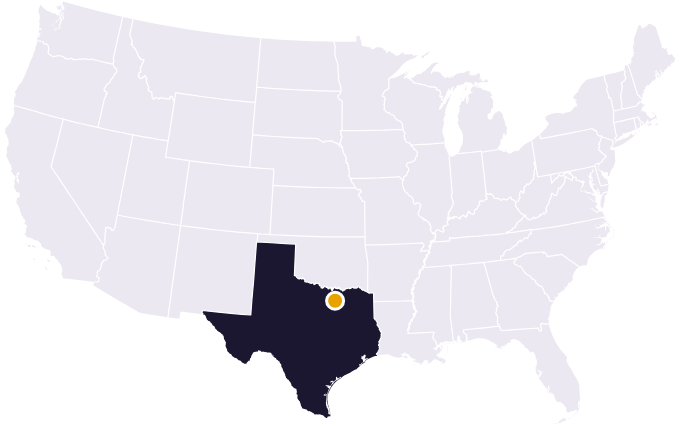
Yellow light: licensed, with a Denton County operator and a yearly fire inspection
The Colony requires a license for every short-term rental, a designated operator who lives in Denton County and an annual fire inspection.[1, 2] We found no cap on licenses and no short-term rental use or limit in the city's zoning code.[2, 3] The city's FAQ says the owner applies, so your landlord has to be on board.[4]
Our verdict, based on the sources at the end of this guide.
The Colony requires a short-term rental license for each dwelling unit, and you register through the city's online tax portal.[1, 4] You must name a designated operator who lives in Denton County and is available whenever guests are there.[2] The unit also needs an annual fire marshal inspection, which carries a $500 fee on the city's fee schedule.[2, 5] You collect the city's 7% hotel tax and file quarterly, and the city says Airbnb and VRBO don't collect it for you.[2, 4]
Key requirements
City license
You need a short-term rental facility license, and it's unlawful to operate without one.[2] The FAQ says registration and inspection come before you advertise or rent.[4] You apply on a form submitted to the city's third-party collection service, and the license is valid from issuance unless it's suspended or revoked.[2]
Who can apply
The FAQ says any owner renting for 30 consecutive days or less must apply.[4] The code's application lists the applicant, the owner and the designated operator as separate roles.[2] If you're a tenant, ask the city before applying in your own name.
Tenant-operators
The simplest setup is for your landlord to hold the license and name you, or a Denton County manager, as the designated operator.[2] Managing a rental for an owner for pay may need a Texas real estate license, since the state's broker definition covers leasing real estate for another person for valuable consideration.[9]
Per-unit rule
You can short-term rent only one dwelling unit per license.[4] Each rental needs its own license, registration and fire inspection.[4]
Designated operator
The code defines a designated operator as the operator who resides in Denton County, Texas, and will be present in Denton County and available at all times the rental is in use.[2] The applicant assigns one on the application.[2]
Operational and safety standards
Occupancy
The maximum number of adults is two adults per bedroom plus two additional adults per rental unit.[2]
Annual fire inspection
The fire marshal's office must inspect the unit and the premises every year, and you pay the annual fee set in the city's master fee schedule.[2] The fee schedule effective Oct 1, 2026 lists $500,[5] while the FAQ says the $500 fee begins Jan 1, 2027.[4] If the inspection finds deficiencies, the city won't issue the permit until they're fixed, and a reinspection is made within two working days of your request unless agreed otherwise.[2]
Events and signs
Meetings, receptions, weddings and other social events provided for pay or held by guests aren't allowed unless the rental is in a commercial zoning district.[2] No on-premises signs may advertise the property as a short-term rental.[2]
Noise and lighting
Follow the city's noise rules in Chapter 6, Article IX, and on a residentially zoned property aim all lighting at your property, not at neighbors.[2]
Codes and entry
Comply with all city building, electrical and other codes.[2] If you refuse entry for the required inspection, the city can use every remedy provided by law to secure entry.[2]
Tax obligations
City hotel tax
The Colony levies a tax of 7% of the consideration paid for a short-term rental room that costs $2.00 or more a day.[2] The FAQ counts all non-optional fees, such as booking, cleaning and pet fees, as part of the gross rent.[4]
County hotel tax
Denton County's hotel tax FAQ sets the county rate at 2% of the nightly rate from Oct 1, 2023, and covers any short-term rental rented for less than 30 consecutive days within Denton County.[7, 8] The county page and FAQ don't separate city limits from unincorporated areas, so ask the county treasurer how it applies to your address.[7, 8]
Filing and due dates
The city uses a third-party service to collect the tax, and anyone who owns, operates, manages or controls the rental, or collects payment for it, must comply with that service.[2] Reports and payments are due by the last day of the month after each quarter, which the FAQ lists as Jan 31, Apr 30, Jul 31 and Oct 31.[2, 4] If you had no rental activity, you still file the form.[4]
State hotel tax
Texas treats a short-term rental as a hotel, and the state hotel tax rate is 6%.[6, 10] A guest who has the right to use the space for at least 30 consecutive days, with no interruption of payment, owes no state tax.[10] The city's quarterly report must come with a copy of your state hotel tax report.[2]
Booking platforms
The city says Airbnb and VRBO do not collect or remit its hotel tax for owners or authorized agents.[4] If a platform agrees to collect and remit state hotel tax for you, it does; if not, you must collect and remit it to the Comptroller.[11]
Late tax
A late report or payment adds a 5% penalty, and another 5% if tax and penalty are still unpaid after the 60th day.[2] Interest of 10% a year starts on the 61st day.[2]
Enforcement
No license
Operating without a license is unlawful.[2] The FAQ says renting or advertising without one is a violation subject to the enforcement process in Chapter 8, Article III.[4]
Fines
A violation of the article is a class C misdemeanor, and each instance and each day is a separate offense.[2] Under the code's general penalty, the fine can't exceed $500, or $2,000 if the rule governs fire safety, zoning or public health and sanitation.[12]
Suspension and revocation
The city manager or designee can immediately revoke or suspend a license, or deny its issue or renewal, if you, your designated operator or a guest broke the article, the license conditions or another law on using the property as a rental.[2] The same goes if the police or fire chief finds a serious threat to public health, safety or welfare, or if the application has a false statement of material fact.[2]
Appeals
The city notifies you in writing, and you can appeal to the city council by submitting a written appeal to the city secretary within 15 days after you receive the decision.[2] You can't operate the rental during the appeal.[2]
Tax enforcement
If you don't file, collect or pay the tax, the city can sue to collect it or to enjoin you from operating until the tax is paid or the report filed.[2]
Bottom line for arbitrage
Workable, but line up a Denton County operator and budget for the fire inspection before you sign.
Step 1 is the hard part. We find landlords who already said yes →
Sources
Tell us your market. Our team calls landlords and sends you properties already approved for Airbnb.
- Landlord-approved listings
- New deals weekly
- Search any US market
More guides in this state
Browse all city guides →Rules tell you where. We find the landlord who says yes.
STR Exchange members get landlord-approved rentals, new deals every week and a team that searches their market.
- Landlord-approved listings
- New deals weekly
- Many markets