Durham
Can you run an Airbnb or do rental arbitrage here? What the city requires: permits, taxes, safety rules and enforcement.
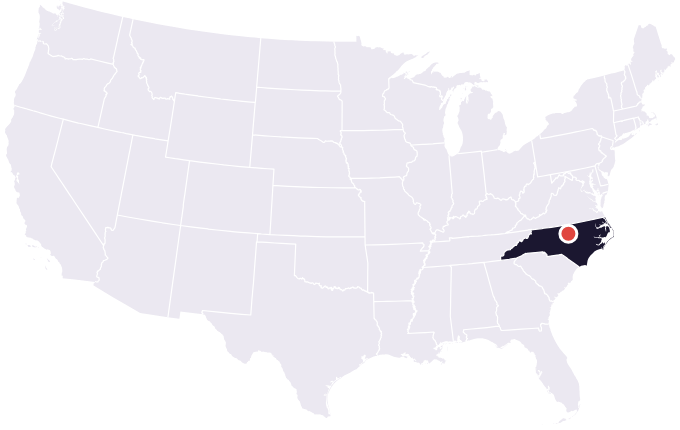
Red light: zoning treats stays under 30 days as hotel-type use
Durham's zoning code defines household living as occupancy on a month-to-month or longer basis, and it puts residential units rented for stays of less than 30 days in an overnight accommodations category.[1] That category's use table row allows hotel-type uses in none of the RR, RS, RS-M, RU, RU-M or RC districts, and bed and breakfasts there need an owner or manager living on site.[2, 3] We found no city short-term rental permit,[4] but we could not confirm how the city applies the zoning rule to a whole-home rental, so ask city planning in writing before you sign.
Our verdict, based on the sources at the end of this guide.
Durham has no short-term rental permit that we found,[4] but the zoning code is the catch. It defines household living as occupancy on a month-to-month or longer basis and puts residential units rented for stays under 30 days in an overnight accommodations category.[1] Hotel-type uses aren't allowed in the RR, RS, RS-M, RU, RU-M or RC districts, and bed and breakfasts there need an owner or manager on site.[2, 3] We could not confirm how the city applies this to whole-home rentals, so ask city planning first.
Key requirements
Household living versus overnight stays
The UDO defines household living as residential occupancy of a dwelling unit by a household on a month-to-month or longer basis.[1] It defines overnight accommodations as residential units arranged for short term stays of less than 30 days for rent or lease, with hotels, motels, inns, extended-stay facilities and bed and breakfasts as principal uses.[1]
Where it is allowed
The use table marks hotels, motels and extended stay residences as not allowed in the RR, RS, RS-M, RU, RU-M and RC districts, and allowed with limits in several other districts.[2] Bed and breakfasts are allowed in those six districts with limits.[2] We found no separate short-term rental use in the table, and the city's UDO text amendment list for 2022 to 2026 has none on short-term rentals.[2, 8]
Bed and breakfast standards
A bed and breakfast must keep an approved floor plan on file with the Inspections Department and have an owner or manager living on site.[3] Rooms can't have cooking facilities, and parking isn't allowed in any street yard.[3]
City code
We found no short-term rental permit, registration or cap in the City of Durham's Code of Ordinances.[4] The only short-term lease or rental provisions we found there are gross receipts taxes on vehicles and heavy equipment.[4]
Housing code
The city's housing code says an owner can't lease, or permit subletting of, a vacant dwelling or dwelling unit that doesn't comply with that article.[9]
Operational and safety standards
Occupant duties
The housing code puts cleanliness, pest control, garbage disposal and heating upkeep duties on occupants, and requires them to give access for repairs.[9] Items stored in a habitable part of a dwelling can't create dangerous, unsafe or hazardous conditions.[9]
Owner duties
Owners of multi-unit buildings must maintain common areas, manage pest control, provide adequate garbage receptacles and keep exterior spaces clear of hazards.[9]
State vacation rental law
North Carolina's Vacation Rental Act applies to a landlord or real estate broker who rents or manages residential property for vacation rental.[10] It defines that as a rental for fewer than 90 days to someone whose permanent home is elsewhere.[10]
Tax obligations
Sales tax
North Carolina taxes the gross receipts from renting an accommodation at the general state rate plus applicable local and transit rates, and any local occupancy tax.[11] The state's rate table lists 7.5% for Durham County, and an asterisk marks that rate as including the 0.50% transit tax.[5]
County room occupancy tax
Durham County levies a Room Occupancy Tax of 6% on gross receipts from renting any room, lodging or accommodation furnished by a hotel, motel, inn or similar place within the county.[6] Returns are due by the 20th of the month after the tax accrues, and accommodations furnished to the same person for at least 90 consecutive days are exempt.[6] We could not confirm whether the county applies it to a whole-home rental, so ask the county tax office.
Who collects state tax
The retailer who collects the payment for the rental owes the state tax, and that can be the accommodation provider or an accommodation facilitator.[7]
Stays of 90 or more days
An accommodation supplied to the same person for 90 or more continuous days is exempt from the state tax.[7]
Enforcement
Inspections on cause
The city's rental inspection article lets the administrator or housing inspector inspect when there is reasonable cause to believe unsafe, unsanitary, hazardous or unlawful conditions exist.[12] That includes three or more verified housing code or unsafe building law violations in a 12-month period, or a complaint.[12]
Targeted areas
The code also requires periodic inspections of residential buildings in areas the council specifies, and that program focuses only on rental property.[12]
Short-term rentals and the article
The article covers a dwelling, dwelling unit or rooming unit that is leased or offered for lease.[12] It doesn't say whether short-term rentals count.[12]
No short-term rental fines found
We found no fines or revocation rules written for short-term rentals in the city code.[4]
Pending state bill
Senate Bill 291 would bar cities from banning short-term rentals, requiring owner occupancy or capping their number, and would limit a permit fee to $25.[13] Its last action was Mar 17, 2025, when it was referred to the Senate Rules committee.[14]
Bottom line for arbitrage
Don't plan on a whole-home short-term rental in a Durham residential district unless city planning confirms in writing that it's allowed.
Step 1 is the hard part. We find landlords who already said yes →
Sources
Tell us your market. Our team calls landlords and sends you properties already approved for Airbnb.
- Landlord-approved listings
- New deals weekly
- Search any US market
More guides in this state
Browse all city guides →Rules tell you where. We find the landlord who says yes.
STR Exchange members get landlord-approved rentals, new deals every week and a team that searches their market.
- Landlord-approved listings
- New deals weekly
- Many markets